The Uncharted Influence of Regional Cuisine on Player Endurance at Extended Poker Festival Venues
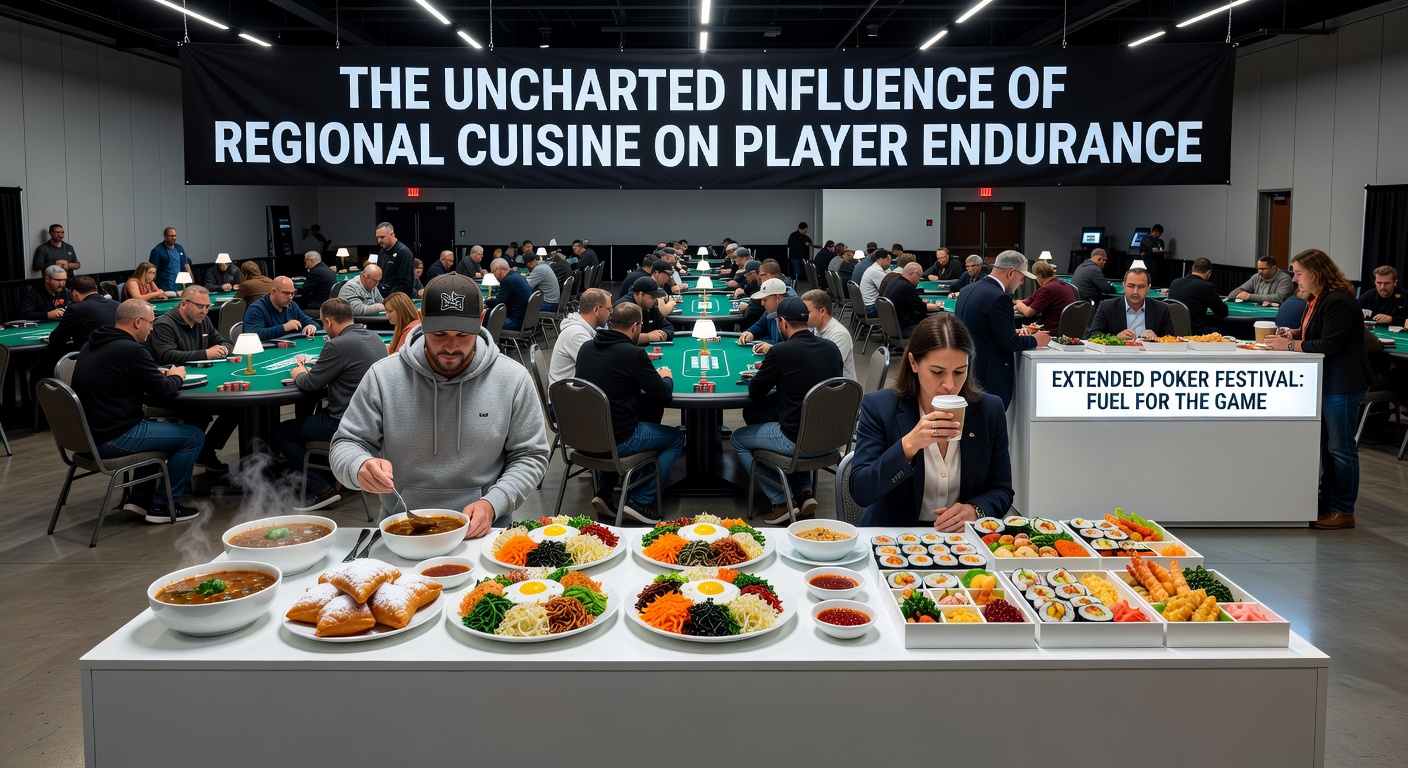
Extended poker festivals stretch across multiple days with sessions that often run twelve hours or more, and observers note how regional dishes available at tournament venues shape energy patterns among participants. Research indicates that carbohydrate-heavy local specialties can stabilize blood glucose during long stretches yet sometimes slow digestion when paired with high-fat preparations common in certain host cities.
Nutrition Patterns at Multi-Day Events
Venues in different regions serve distinct menus that align with local traditions, and data from tournament organizers shows players gravitating toward those options during scheduled breaks. One study from the University of Sydney examined endurance markers in strategic games and found that meals rich in complex carbs sustained focus longer than simple sugar snacks, while protein-forward plates reduced mid-session dips in reaction time. Those patterns appear in poker settings where festivals import regional ingredients rather than offering standardized fare.
What's interesting is how climate and cultural norms intersect with these choices. In warmer locations, lighter seafood and vegetable-based dishes predominate, whereas colder climates feature stews and roasted items that provide sustained warmth yet require more time for the body to process. Tournament staff report that venues adjust portion sizes accordingly, with data indicating smaller plates correlate with fewer players stepping away mid-hand for comfort reasons.
Observations from Spring 2026 Festivals
May 2026 brought several large-scale events across North America and Europe, and figures from registration platforms reveal consistent attendance spikes alongside varied dining setups. Players at one southwestern U.S. stop encountered extensive Tex-Mex spreads featuring beans, rice, and grilled proteins, while European stops emphasized fresh breads paired with regional cheeses and cured meats. Tracking apps used by some participants logged meal timing against session length, and preliminary aggregates suggest those who selected balanced plates maintained steadier play volumes across day-three restarts.
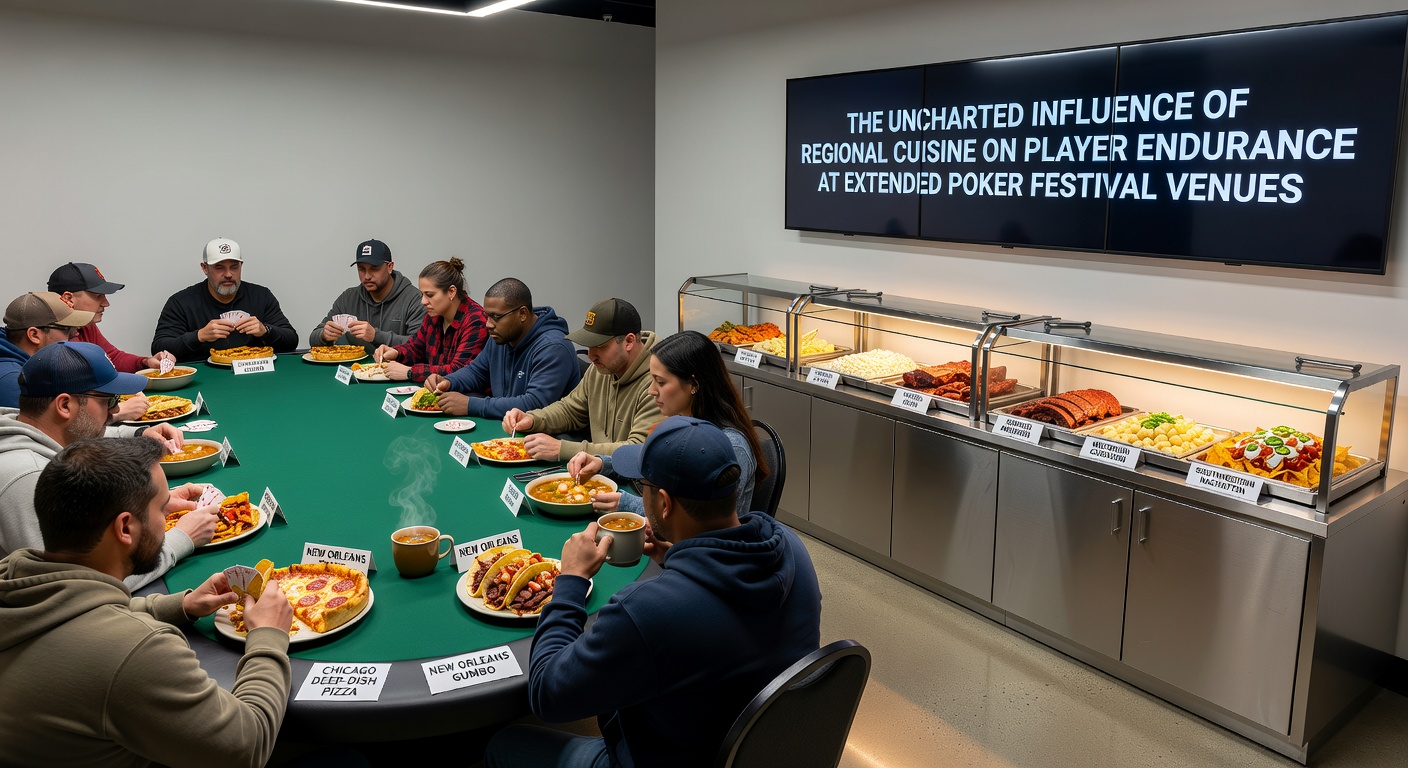
Researchers at the Canadian Institute for Health Information have compiled related findings on meal composition and cognitive stamina in high-concentration activities, noting that fiber content plays a measurable role in preventing post-meal lethargy. Poker festival organizers have begun incorporating these insights by expanding salad and grain bowl stations at certain sites. The shift coincides with increased availability of international supply chains that let venues source ingredients from multiple continents without altering core regional themes.
Regional Variations and Player Responses
Take one festival circuit that rotates through Asian host cities each spring, where noodle and rice-based dishes form the backbone of on-site catering. Data collected via voluntary player surveys indicates quicker return times to tables after these meals compared with heavier Western alternatives, though hydration needs rise due to sodium levels in many preparations. In contrast, Australian stops often feature grilled meats and fresh produce, and reports from event medical teams show stable electrolyte balances among participants who favor those selections.
Yet adaptation remains key. International travelers frequently mix local offerings with familiar items carried from home, and logistics coordinators note that this hybrid approach appears in roughly thirty percent of extended-stay registrations. The result surfaces in endurance metrics where mixed-diet players report fewer complaints about afternoon energy crashes during final tables.
Emerging Data Trends
Industry reports compiled by the International Gaming Standards Association highlight how venue partnerships with local suppliers influence overall player retention at multi-week festivals. When menus emphasize fresh, minimally processed items drawn from surrounding farms or markets, repeat attendance figures trend higher in follow-up seasons. This connection operates through indirect channels such as reduced gastrointestinal discomfort and steadier sleep cycles between tournament days.
What's significant is the absence of one-size-fits-all solutions. Venues in the same country can differ markedly based on urban versus resort settings, and the same player cohort responds differently when spice profiles or cooking methods change. Observers note that these variables compound over ten-day events where cumulative fatigue interacts with daily dietary intake.
Conclusion
Regional cuisine continues to intersect with endurance demands at extended poker festivals in measurable ways. Data from multiple sources, including the University of Sydney endurance research and Canadian Institute for Health Information reports, underscores how meal composition affects focus and stamina without prescribing specific menus. As festivals expand in May 2026 and beyond, organizers increasingly track these interactions to refine on-site offerings while preserving the cultural character that defines each location.