The Intersecting Paths of Professional Athletes Transitioning into Competitive Online Poker Circuits

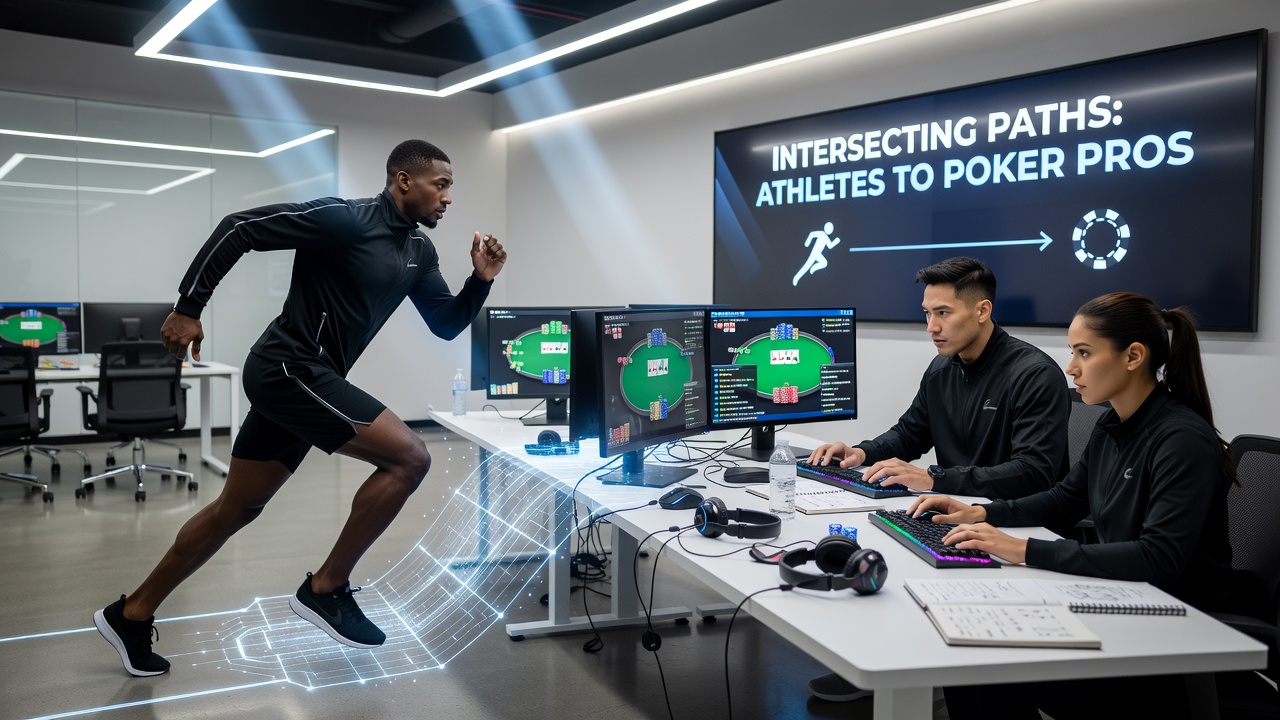
Professional athletes from various sports have entered competitive online poker circuits in growing numbers over recent years, bringing distinct physical and mental attributes developed through years of elite training. Data from industry reports indicate that individuals with backgrounds in endurance sports and team competitions often demonstrate strong focus during extended online sessions, where decision-making under pressure mirrors high-stakes athletic performance. Researchers at institutions studying cognitive transfer have documented how reaction times honed in fast-paced environments translate to rapid hand evaluations on digital platforms.
Skill Transfer Mechanisms in Athletic and Poker Contexts
Studies from academic programs focused on performance psychology show that athletes frequently apply principles of pattern recognition and risk assessment acquired in their original fields when navigating poker variants such as no-limit hold'em and pot-limit omaha. For instance, former basketball players have adapted concepts of spacing and timing to manage bet sizing sequences, while track athletes leverage stamina for multi-table tournaments that span several hours. Observers note that these transfers occur because both domains demand sustained attention amid variable outcomes, with data from platform analytics revealing higher retention rates among users who list prior athletic experience in registration profiles.
Training regimens common in professional sports, including visualization exercises and recovery protocols, appear in modified forms among transitioning players. Figures from European gaming oversight bodies highlight that participants in structured preparation routines maintain steadier win rates across monthly tracking periods compared to those without similar backgrounds. This pattern holds particularly in mid-stakes online events where consistent volume matters.
Notable Transitions Documented Through 2026
Records from major online poker ecosystems list several athletes who shifted focus after retirement from fields like soccer, tennis, and combat sports. One documented case involves a retired rugby competitor who accumulated substantial earnings through satellite qualifiers leading into larger series events during the spring months. Another example features an ex-professional cyclist who integrated breathing techniques from endurance training into session management, resulting in tracked improvements in hourly volume metrics according to internal platform statistics shared in industry briefings.
June 2026 saw increased participation from such crossovers during peak tournament schedules, with registration data showing athletes comprising a measurable segment of entrants in high-roller online formats. Regulatory filings from Canadian authorities confirm that licensing requirements for these circuits accommodate international players regardless of prior profession, facilitating broader access without additional barriers tied to athletic history.
Platform Adaptations and Data Insights
Online poker operators have incorporated features such as customizable interfaces and session analytics that align with the data-driven approaches athletes already employ. Reports from the Australian Institute of Sport-adjacent research groups indicate that biometric monitoring tools, originally designed for physical training, find secondary application in poker environments to track indicators like heart rate variability during critical decision points. These integrations support longer participation without the fatigue patterns observed in less prepared entrants.
Statistics compiled by gaming trade associations reveal that athletes often gravitate toward formats emphasizing strategic depth over pure chance elements, with participation rates in structured sit-and-go events rising steadily through early 2026. Platform algorithms adjust matchmaking based on historical performance, creating pools where prior athletic discipline provides measurable edges in consistency metrics.
Challenges and Support Structures
Transition periods involve adjustments to the sedentary nature of online play, where physical conditioning from sports careers requires supplementation with targeted mobility work. Industry analyses from North American research consortia document cases where athletes incorporated interval training breaks between tournament blocks to sustain cognitive sharpness. Financial management parallels also emerge, as bankroll strategies in poker echo budgeting practices learned through professional contracts and endorsement deals.
Support networks, including mentorship programs run by player associations, connect newcomers with experienced circuit participants. These arrangements address technical aspects such as software navigation and regulatory compliance across jurisdictions, with data showing reduced dropout rates among athletes who engage with such resources within the first six months of activity.
Conclusion
The pathways connecting professional athletics to competitive online poker continue to expand through shared emphases on discipline, adaptability, and performance tracking. Documentation from multiple regulatory and research entities confirms ongoing participation trends into mid-2026, supported by platform tools that accommodate diverse entry points. These intersections reflect broader patterns in skill mobility across high-performance domains without implying universal outcomes for all individuals involved.