The Interplay Between Color Psychology and Chip Handling Techniques in Professional Poker Circuits
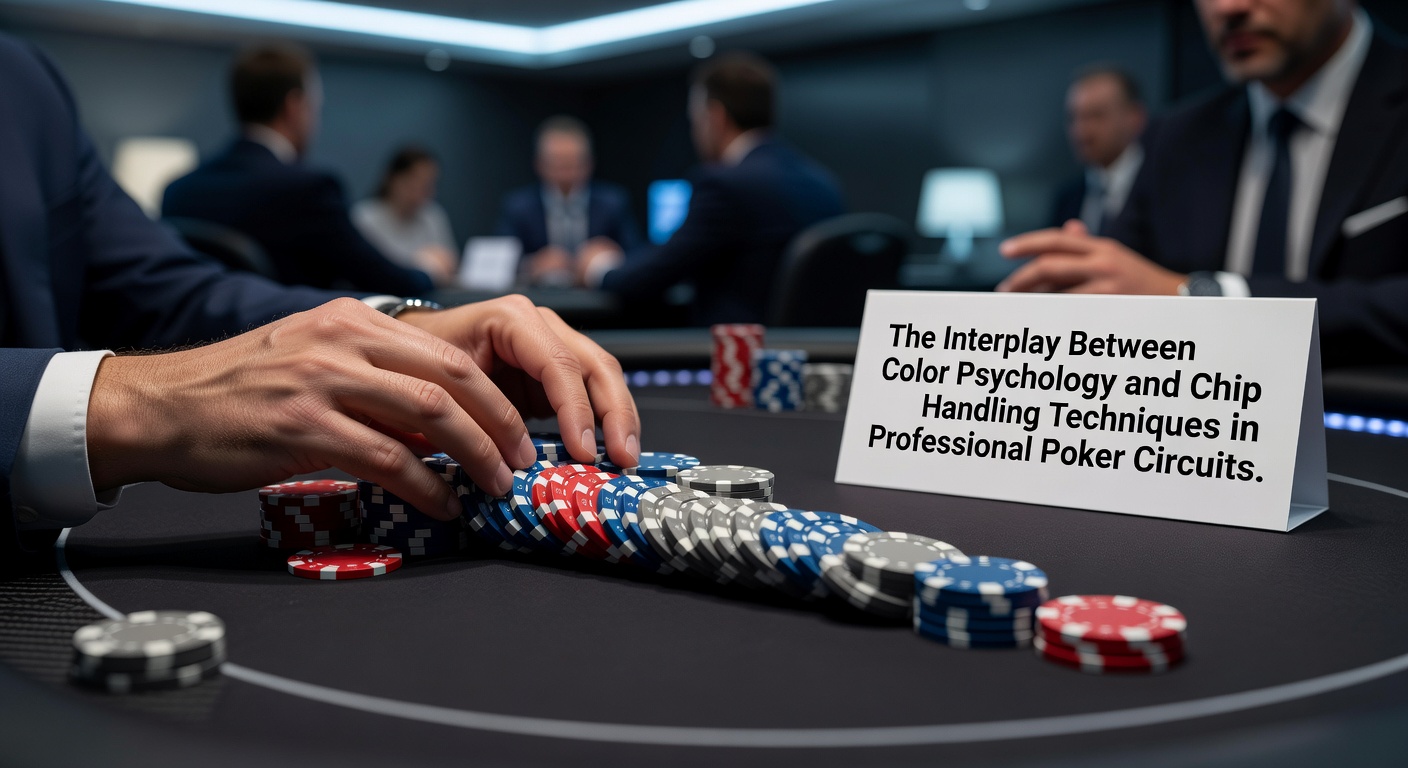
Professional poker circuits have long featured standardized chip colors that denote denomination values while also triggering specific psychological responses among participants. Red chips commonly represent mid-range stakes, blue signals higher values, and green or black indicate premium amounts in many tournament settings. Research from the University of Nevada Las Vegas shows these color assignments align with broader patterns in decision-making environments where certain hues correlate with increased risk assessment behaviors during extended play sessions.
Color Assignments and Perceptual Effects in Live Play
Chip colors extend beyond mere valuation systems because studies indicate they influence how players interpret stack sizes and opponent aggression levels. Observers note that vibrant reds often draw attention during betting rounds, which can prompt quicker calls or folds depending on the surrounding context. Data from gaming research institutions in Australia reveals participants exposed to warm-toned chips demonstrate slightly elevated heart rate variability compared to neutral environments, though these effects vary across individual experience levels and game formats.
Handling techniques add another layer because the way chips are riffled, stacked, or pushed forward conveys nonverbal information. Professional circuits enforce consistent chip designs across venues, yet players develop personal methods that interact with these visual cues. In May 2026 events across North American stops, tournament directors reported consistent use of color-coded racks that helped maintain order while players adjusted their physical interactions based on perceived table dynamics.
Techniques Observed Across Major Circuits
Chip handling encompasses several documented methods including the classic rifle shuffle, tower stacking for intimidation displays, and precise pushes during all-in situations. Experts at the Canadian Institute for Gambling Research have documented how these motions become amplified when paired with high-visibility chip colors such as bright yellow or orange accents used in some European festivals. Players who maintain steady, rhythmic handling patterns tend to project stability regardless of the actual hand strength they hold.
Color psychology intersects here because certain hues appear to heighten or diminish the impact of these actions. A study published through the European Association for the Study of Gambling found that stacks dominated by cooler tones like blue and purple led to fewer impulsive raises in controlled simulations, while warmer palettes coincided with more frequent bet-sizing variations among mid-stakes participants. Circuit organizers continue to standardize these elements to ensure fairness across international events.
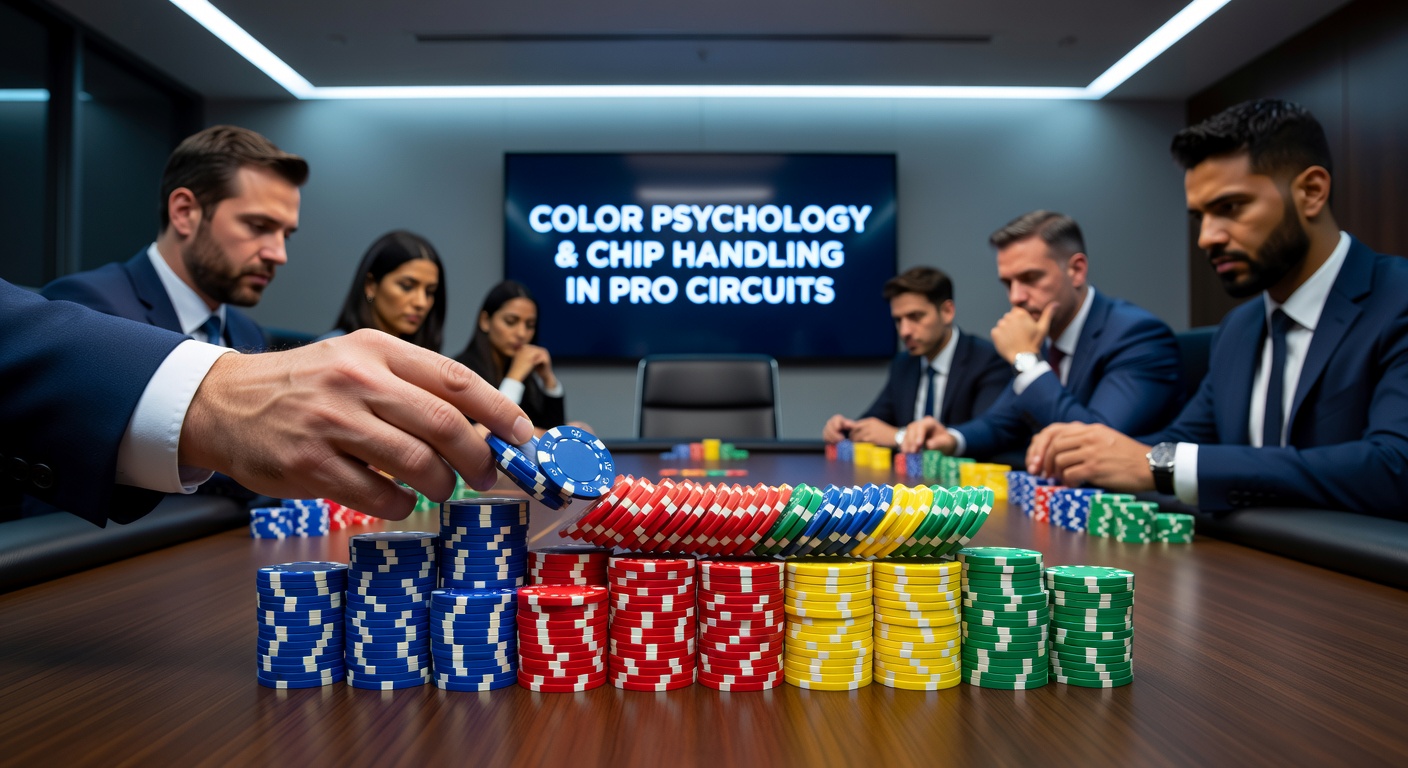
Those who study table behavior point out that chip handling often serves as a regulatory mechanism for players managing emotional states during long sessions. Consistent stacking routines can counteract any subconscious reactions triggered by the surrounding color scheme. In professional settings, dealers and floor staff receive training to recognize patterns that might indicate stress or overconfidence, though enforcement focuses primarily on rule adherence rather than psychological interpretation.
Integration in Tournament Structures and Player Adaptation
Major circuits incorporate chip handling protocols that account for both visibility and psychological factors. Tournaments scheduled throughout 2026 have adopted modular chip sets where colors remain uniform while denominations adjust based on buy-in levels. This approach allows players to develop handling familiarity across multiple events without disrupting established routines. Research indicates that repetition of these physical actions helps mitigate any color-induced biases over time, particularly in multi-day formats where fatigue becomes a variable.
Adaptation occurs through deliberate practice because professionals review footage of their own movements alongside color interactions at the table. Organizations such as the World Poker Tour maintain archives of past series that demonstrate how handling evolved alongside changes in chip aesthetics. Participants who synchronize their chip work with the visual environment often report steadier decision-making processes according to aggregated feedback collected by player associations in multiple regions.
Conclusion
The relationship between color psychology and chip handling continues to shape interactions across professional poker circuits through measurable patterns in perception and physical execution. Standardized color systems paired with refined handling methods create environments where information flows through both visual and kinetic channels. Ongoing studies from academic and industry sources track these dynamics as circuits expand into new markets and formats in 2026 and beyond.