Shifting Player Habits in Virtual Cash Games Through Adaptive Learning Platforms

Virtual cash games have evolved into structured environments where players face continuous decision cycles under real-time conditions, and adaptive learning platforms now supply the tools that reshape those cycles on a session-by-session basis. These platforms track individual hand histories, identify recurring leaks, and deliver targeted drills that adjust in difficulty as performance metrics improve. Data collected across major online poker networks shows that regular users of such systems alter their preflop ranges and postflop betting frequencies within weeks of consistent exposure.
Platform Mechanics and Data Integration
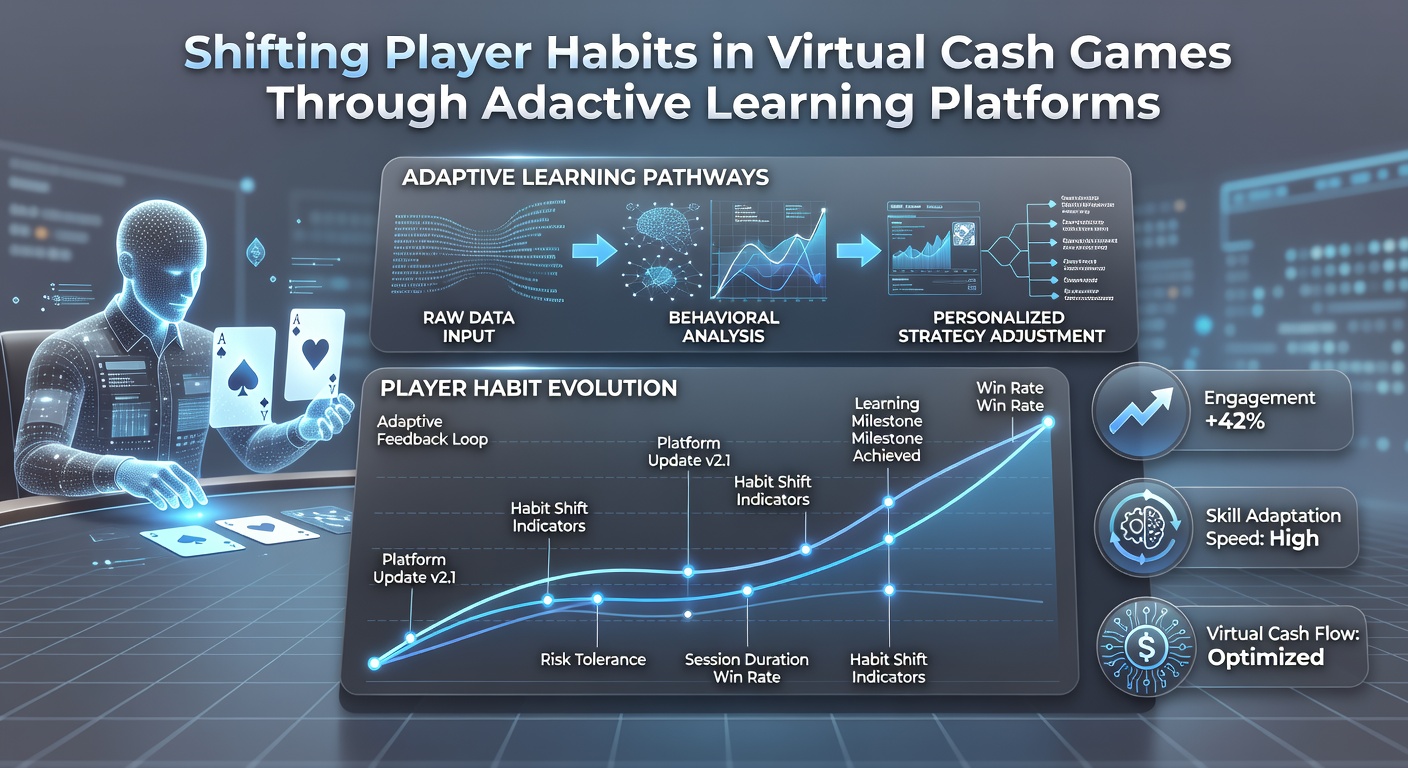
Adaptive systems combine hand-tracking software with machine-learning models that update after every uploaded session. When a player completes a set of drills focused on river decisions, the platform recalibrates subsequent modules to emphasize earlier streets where similar patterns appear. This feedback loop replaces static study routines with dynamic sequences that respond directly to the user's recent results. Industry reports from the European Gaming and Betting Association indicate that operators integrating these tools have recorded measurable increases in average session length among subscribers.
Real-time dashboards display heat maps of positional tendencies and suggested range adjustments based on opponent pool statistics. Players receive notifications when their fold-to-3-bet frequency deviates from population norms, prompting immediate review of specific hand examples. The process keeps learners engaged because the content stays anchored to their own database rather than generic theory modules.
Documented Changes in Decision Patterns
Longitudinal tracking of platform users reveals several consistent shifts. Preflop opening sizes have narrowed in many player pools as learners internalize position-specific sizing recommendations generated from their own leak reports. Continuation-bet frequencies on dry boards drop after repeated exposure to drills that highlight high fold equity situations. Turn and river calling ranges expand slightly among mid-stakes regulars who complete adaptive courses focused on blocker effects and range merging.
One study released by researchers at the University of Sydney's gambling research unit followed 1,200 online cash game participants over six months in early 2026. Those who engaged with adaptive modules at least three times per week showed a 14 percent reduction in unprofitable river calls compared with a control group using traditional video lessons. The same cohort increased its check-raise frequency on coordinated boards by an average of 9 percent.
Bankroll and Session Management Adjustments
Adaptive platforms also influence how players structure their playing time. Built-in bankroll calculators update recommended stake levels after each tracked downswing, prompting users to move down when variance metrics exceed preset thresholds. Session-length recommendations appear automatically when fatigue indicators derived from decision speed and error rate climb above baseline. These prompts have contributed to shorter but more focused sessions among serious players who previously maintained marathon schedules.
Observers note that multi-tabling patterns have become more selective. Instead of opening the maximum number of tables permitted, many platform users now limit themselves to two or three while completing integrated review tasks between hands. This change coincides with improved hourly win rates reported in anonymized data shared by several major poker sites during May 2026.
Regional Adoption Trends
North American operators began embedding adaptive modules into their client software earlier than most European rooms, yet adoption rates in Australia have accelerated quickly since regulatory updates in late 2025. Players in these markets receive localized opponent pool statistics that reflect recent regulatory shifts in rake structures and table limits. The result is a tighter integration between learning content and the specific game conditions available in each jurisdiction.
Community forums attached to these platforms show threads where users compare progress metrics across different regions. One recurring observation involves the speed at which recreational players adopt more aggressive 3-bet strategies once the platform supplies region-specific population data. Professional grinders report spending less time on manual database work because the adaptive engine surfaces the most relevant subsets automatically.
Conclusion
Adaptive learning platforms continue to alter the daily workflow of virtual cash game participants by replacing broad theoretical study with targeted, data-driven feedback. The measurable changes in preflop sizing, postflop frequencies, and session discipline appear across multiple tracked cohorts and align with adoption timelines reported by operators in several jurisdictions. As these tools refine their models with additional user data, further incremental shifts in playing patterns remain likely through the remainder of 2026 and beyond.