Player migration patterns between cash games and tournaments in digital poker rooms reveal how software updates reshape participation trends across global platforms
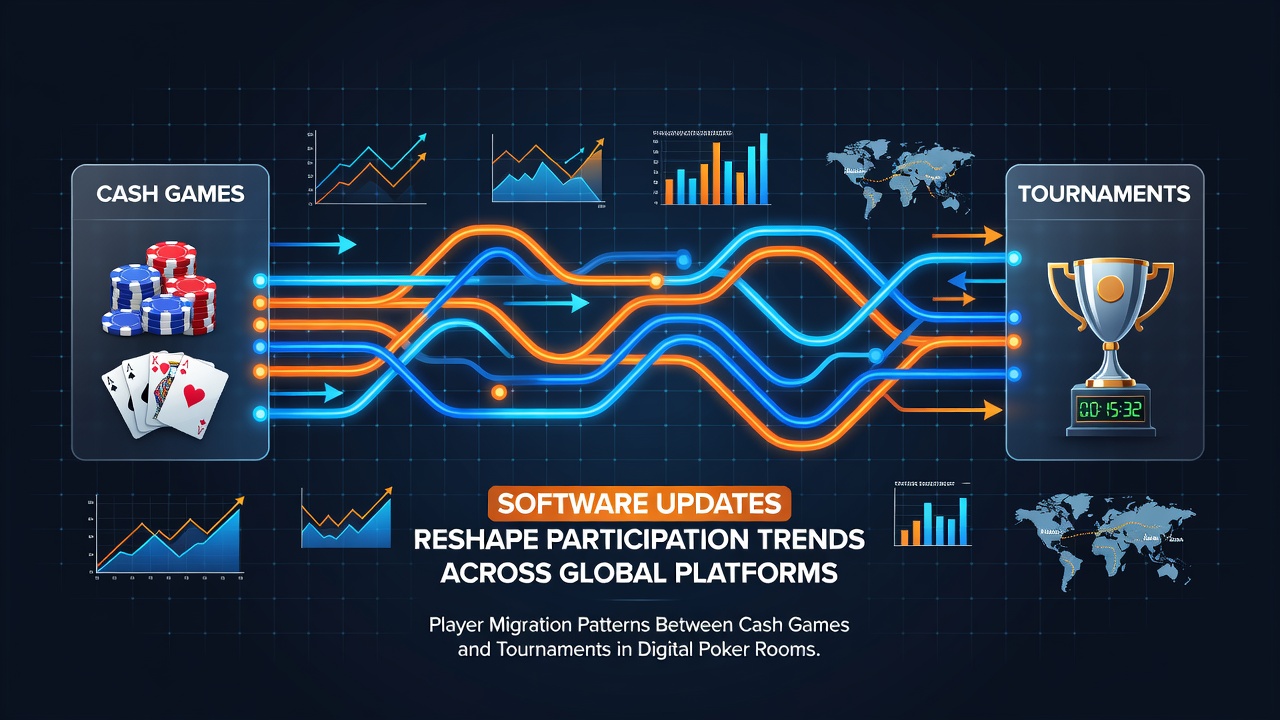
Data from major platforms indicates that player movement between cash games and tournaments accelerates whenever developers release interface changes or new filtering tools, and July 2026 brought several such updates that altered traffic distribution across networks operating in multiple jurisdictions.
Tracking shifts after recent platform changes
Observers note that one series of updates introduced improved tournament lobby sorting and faster registration flows, which coincided with measurable increases in multi-table tournament entries while cash game seat occupancy dipped in the same sessions. Researchers tracking these patterns across European and North American servers found that the changes encouraged recreational participants to sample structured events they previously bypassed because the old navigation required more clicks.
Yet cash game volumes did not collapse uniformly. Platforms that paired the lobby redesign with optional heads-up display enhancements retained steady ring game traffic among regulars who valued real-time statistics, whereas sites without those parallel tools saw sharper migration toward tournaments during the same period.
Regional variations in participation data
Figures compiled by the Alcohol and Gaming Commission of Ontario show that regulated online rooms experienced a 14 percent rise in tournament participation hours during the weeks following the July 2026 software rollout, while average cash game session lengths shortened by roughly eight minutes per player. Similar patterns appeared in reports from Australian regulators monitoring licensed operators, where daily active users shifted toward sit-and-go formats after mobile clients received streamlined buy-in processes.
Those who monitor global traffic observe that the migration is rarely permanent. Many players return to cash games once they complete a tournament run or when variance prompts them to seek more control over session length, and the same software features that initially pulled them toward events can later support quick exits when combined with improved cash-out flows.
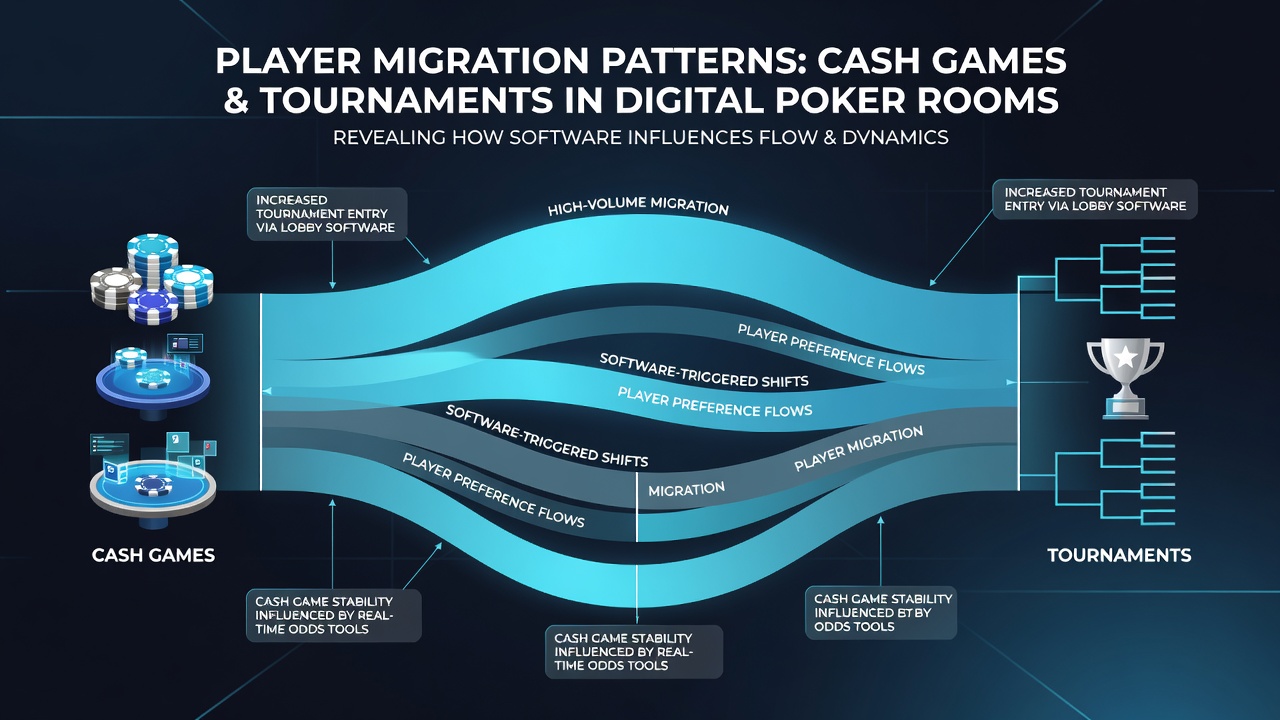
How specific features drive movement
Software teams that added one-click re-entry buttons and clearer payout structures noticed tournament fields grow faster than those relying on older registration flows, according to internal metrics shared with industry analysts. In contrast, cash game tables benefited when platforms highlighted table selection filters and waiting list notifications, features that reduced friction for players who prefer dropping in and out without committing to a full event schedule.
Studies conducted by academic groups examining online gambling behavior, including work from the University of Sydney's gambling research unit, indicate that the timing of updates matters as much as the features themselves. Releases rolled out mid-week produced different migration curves than weekend deployments, because weekday players tend to favor shorter cash game sessions while weekend traffic leans toward tournaments regardless of interface changes.
Longer-term effects on player pools
Over multiple quarters, repeated updates have created distinct cohorts. One group consists of players who now treat cash games primarily as bankroll builders before entering larger tournaments, while another group uses tournaments to accumulate volume bonuses that they later deploy in higher-stakes cash sessions. Platform data reveals these cycles repeat across different stake levels, although the exact proportions vary by region and by the presence of local regulatory caps on rake or buy-ins.
Operators that publish transparency reports note that total rake collected remains stable even as the split between cash and tournament revenue shifts, because the underlying player hours do not disappear. Instead, the same participants redistribute their time across formats in response to whichever lobby or client experience feels more immediate after each update cycle.
Conclusion
Player migration between cash games and tournaments continues to reflect the cumulative impact of successive software refinements rather than any single change. Data gathered through July 2026 and beyond demonstrates that small adjustments to navigation, registration speed, and information display produce measurable redistributions of activity, yet overall engagement across digital poker rooms stays resilient when operators maintain consistent updates that address both formats.