How Wearable Tech Helps Maintain Mental Sharpness in Extended International Poker Competitions
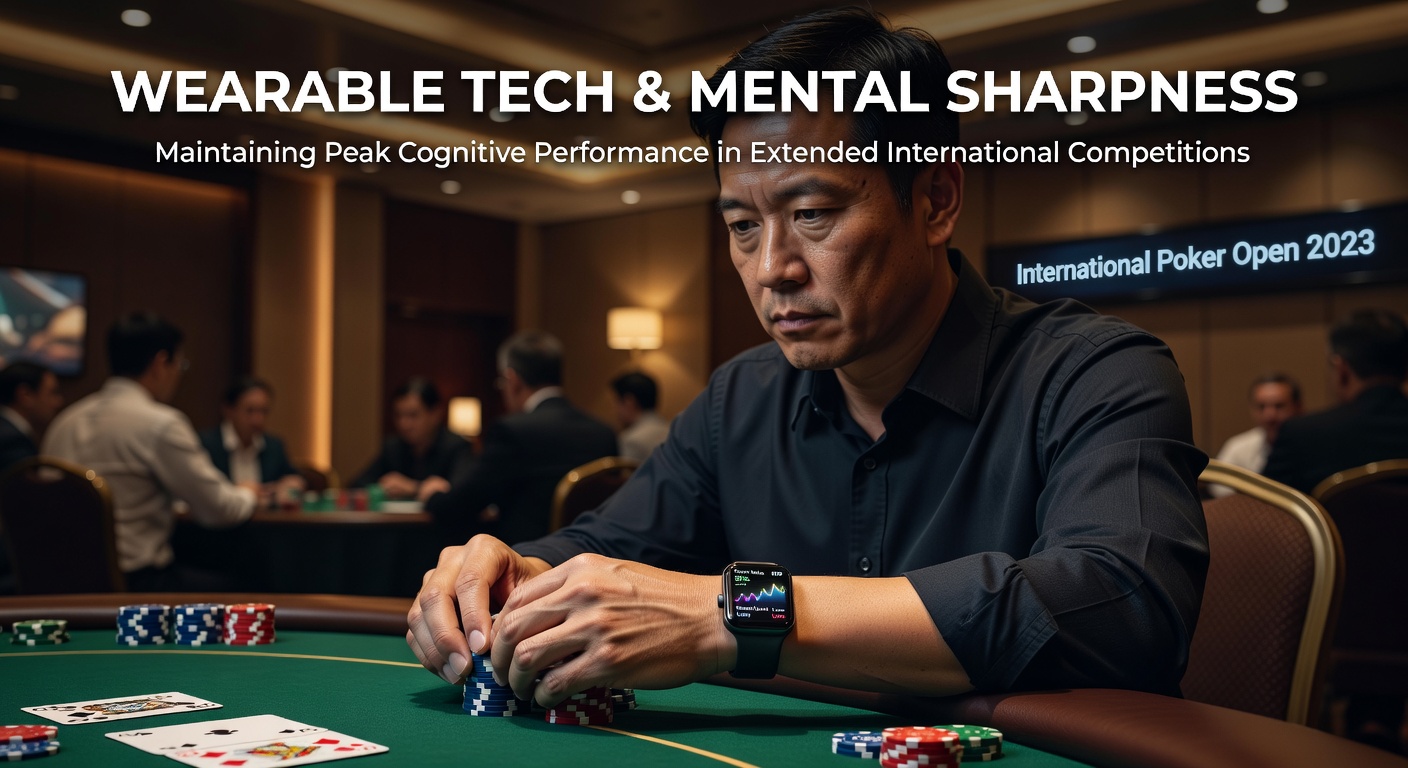
International poker events stretch across multiple days and time zones where players face continuous decision-making under pressure and observers note that maintaining cognitive function becomes a measurable challenge rather than an abstract goal. Wearable devices track heart rate variability, sleep cycles, and stress indicators so competitors receive real-time feedback that guides rest periods and nutrition choices during extended play.
Biometric Tracking Devices Used in Tournament Settings
Smart rings and wrist-worn monitors collect continuous data on recovery metrics while players move between venues in cities such as Melbourne and Las Vegas. Researchers at the Australian Institute of Sport have documented how heart rate variability readings help athletes identify early signs of mental fatigue before performance drops occur. Poker participants integrate these readings into daily routines so they adjust caffeine intake and light exposure to counteract jet lag effects that commonly arise during May 2026 festival schedules across multiple continents.
EEG headbands provide another layer of insight by measuring brainwave patterns associated with focus and relaxation states. Those who have studied cognitive endurance in high-stakes environments report that brief guided breathing sessions triggered by these devices improve sustained attention during late-night sessions that extend past midnight local time. Data from such tools shows clear correlations between consistent usage and fewer errors in complex hand evaluations over multi-day events.
Integration With Recovery Protocols During Travel
Long-haul flights disrupt circadian rhythms and experts observe that many professionals now rely on sleep-tracking wearables to quantify rest quality upon arrival. One documented case involved a European circuit regular who used ring data to schedule short naps between satellite events and main tournaments thereby preserving decision accuracy through the later stages. These devices also monitor hydration levels and movement patterns so players avoid the subtle physical decline that compounds mental lapses after sixteen-hour days at the tables.
Coaches working with international teams incorporate wearable outputs into pre-event planning and figures from sports science programs indicate that structured recovery windows based on biometric feedback reduce reported instances of concentration loss. Players receive alerts when stress markers rise above baseline thresholds allowing them to step away for stretching or mindfulness exercises before returning to play.
Real-Time Feedback and Decision Support
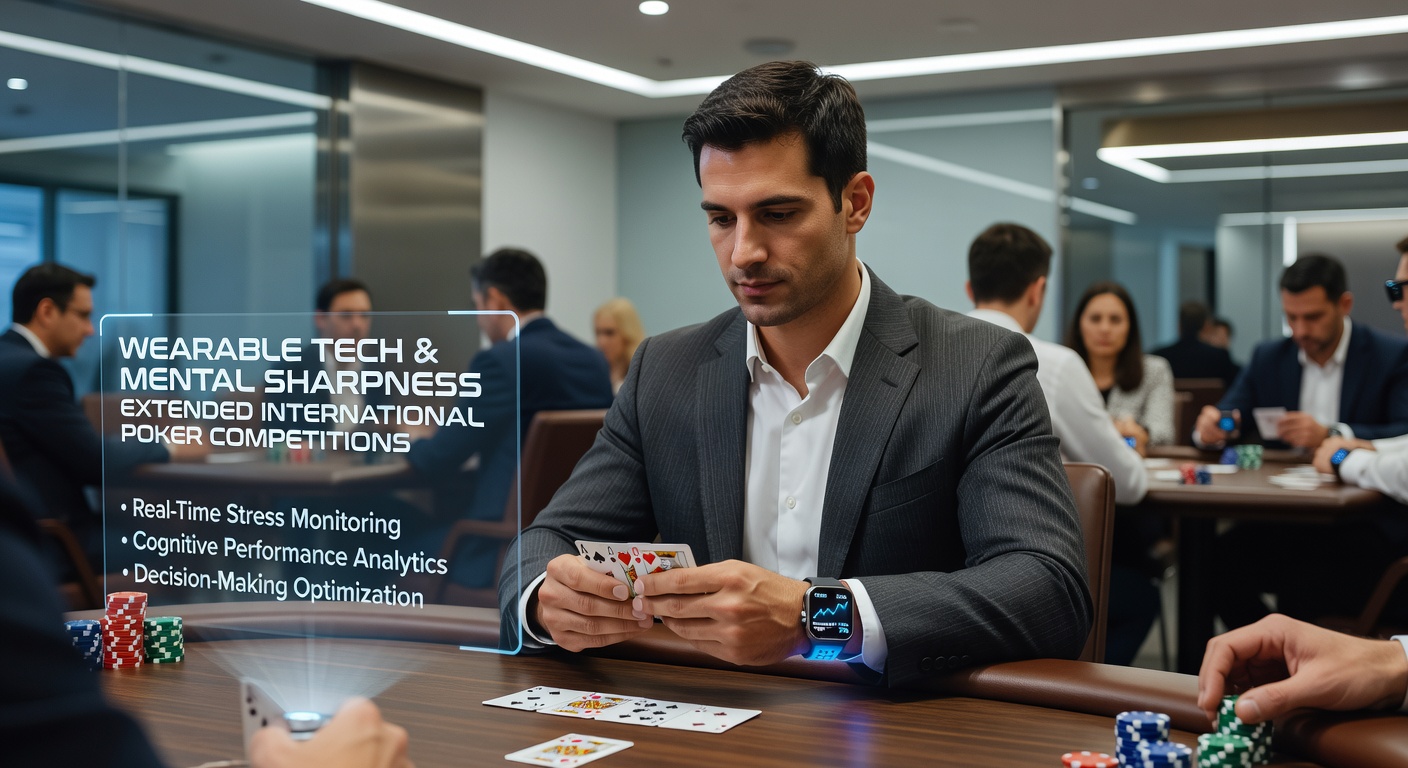
Wearables do more than log historical trends because some models deliver immediate notifications when cognitive load indicators spike during active hands. Research conducted at Canadian universities on endurance performance demonstrates that timely interventions based on these signals help maintain reaction times and pattern recognition abilities that poker requires at elite levels. Participants combine this information with traditional note-taking so they balance physical state awareness with strategic adjustments throughout lengthy final tables.
Industry reports from gaming technology associations highlight partnerships between device manufacturers and training platforms that translate biometric streams into personalized recommendations. Observers note increased adoption rates ahead of major series where players anticipate back-to-back days of play across changing environments and lighting conditions. The result appears in steadier performance metrics tracked by independent performance analysts who review post-event data sets.
Case Examples From Recent Circuits
Take one North American professional who credited consistent use of a multi-sensor band for navigating a grueling May 2026 stop in Asia that featured overlapping time zones and minimal recovery windows between events. The device flagged declining sleep efficiency early in the trip prompting schedule changes that preserved focus through the money stages. Similar patterns emerge in accounts from South American participants who travel long distances to European stops and rely on the same categories of technology to manage cumulative fatigue.
Studies published through academic channels show that groups using wearable-guided protocols outperform control groups in sustained attention tests administered after simulated long-duration tasks. While individual results vary the aggregate data supports the practical value of these tools when integrated thoughtfully into existing preparation methods.
Conclusion
Wearable technology supplies measurable data that supports mental sharpness across the demanding timelines of international poker competitions. Players who incorporate biometric tracking into travel and recovery routines gain actionable insights that help sustain performance levels when sessions extend for hours or days. As device capabilities advance and more competitors adopt these methods the role of continuous monitoring continues to expand within professional preparation strategies.