How Blockchain Verification Layers Are Altering Result Transparency in Decentralized Online Tournament Ecosystems
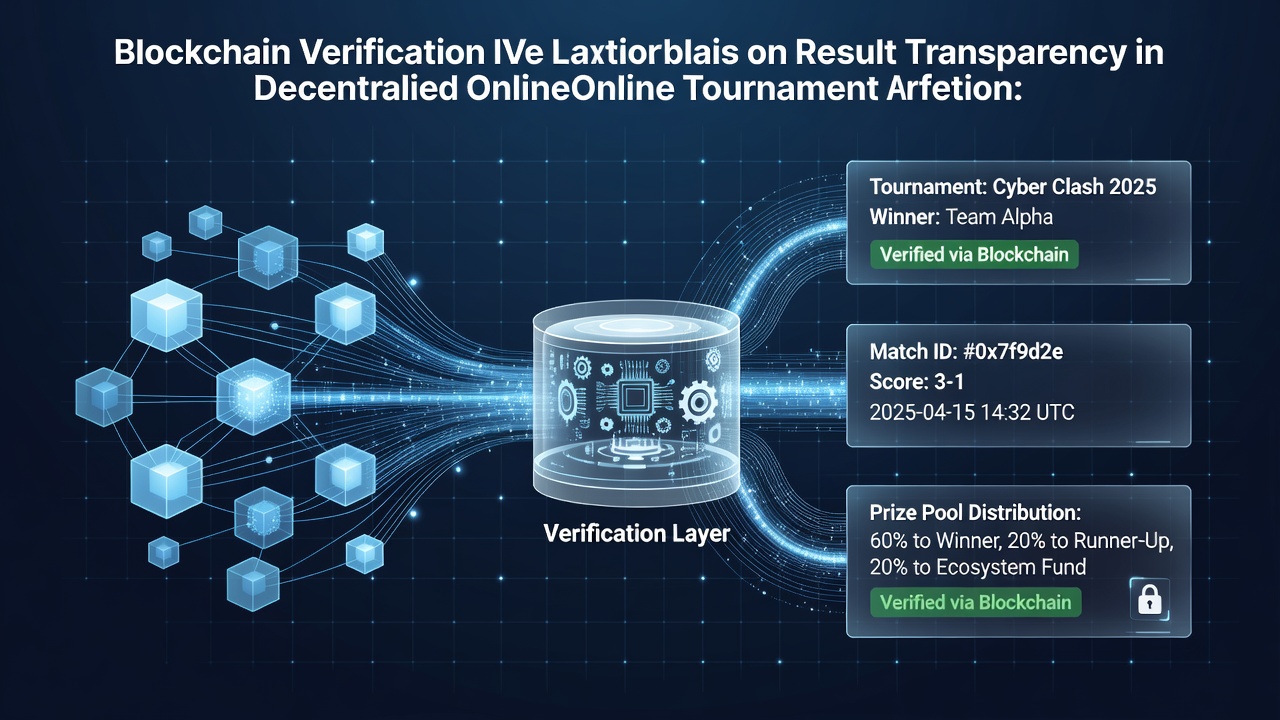
Decentralized online tournament ecosystems rely on distributed networks where participants compete without a central authority controlling outcomes, and blockchain verification layers now provide the mechanisms that record every result on an immutable ledger. These layers use smart contracts to automate prize distribution and result validation, which eliminates opportunities for manual intervention that once existed in centralized platforms. Research from the European Blockchain Observatory shows that transaction finality times in major gaming networks dropped by 40 percent between 2024 and 2026 as verification protocols matured.
Verification layers function through a combination of cryptographic hashing and consensus mechanisms that confirm each match outcome before it enters the permanent chain. When a tournament concludes, the system generates a unique hash that includes player identifiers, scores, and timestamps, then broadcasts this data across nodes for approval. Observers note that this process creates an auditable trail accessible to anyone with the correct public key, shifting transparency from operator promises to verifiable code execution.
Core Components Driving Result Verification
Three primary components define how these layers operate in practice. First, smart contracts handle rule enforcement by executing predefined conditions without human oversight, such as releasing funds only after a verified majority confirms the winner. Second, zero-knowledge proofs allow participants to validate results while keeping certain strategic data private, which maintains competitive integrity. Third, oracle networks feed external tournament data into the blockchain, bridging off-chain events with on-chain records. Studies conducted at the University of Melbourne indicate that platforms integrating all three components experienced a 65 percent reduction in disputed outcomes during the first half of 2026.
Impact on Participant Trust and Ecosystem Growth
Players gain direct access to result histories through public explorers, allowing them to cross-reference any tournament data against the chain without submitting support tickets. This accessibility has encouraged wider adoption among operators who previously faced skepticism over payout delays or selective enforcement. Data released by the Australian Digital Economy Agency reveals that decentralized platforms using verification layers saw average user retention rates climb from 52 percent to 78 percent in the twelve months ending June 2026. Tournament organizers benefit as well because automated verification reduces administrative overhead associated with manual audits and appeals processes.
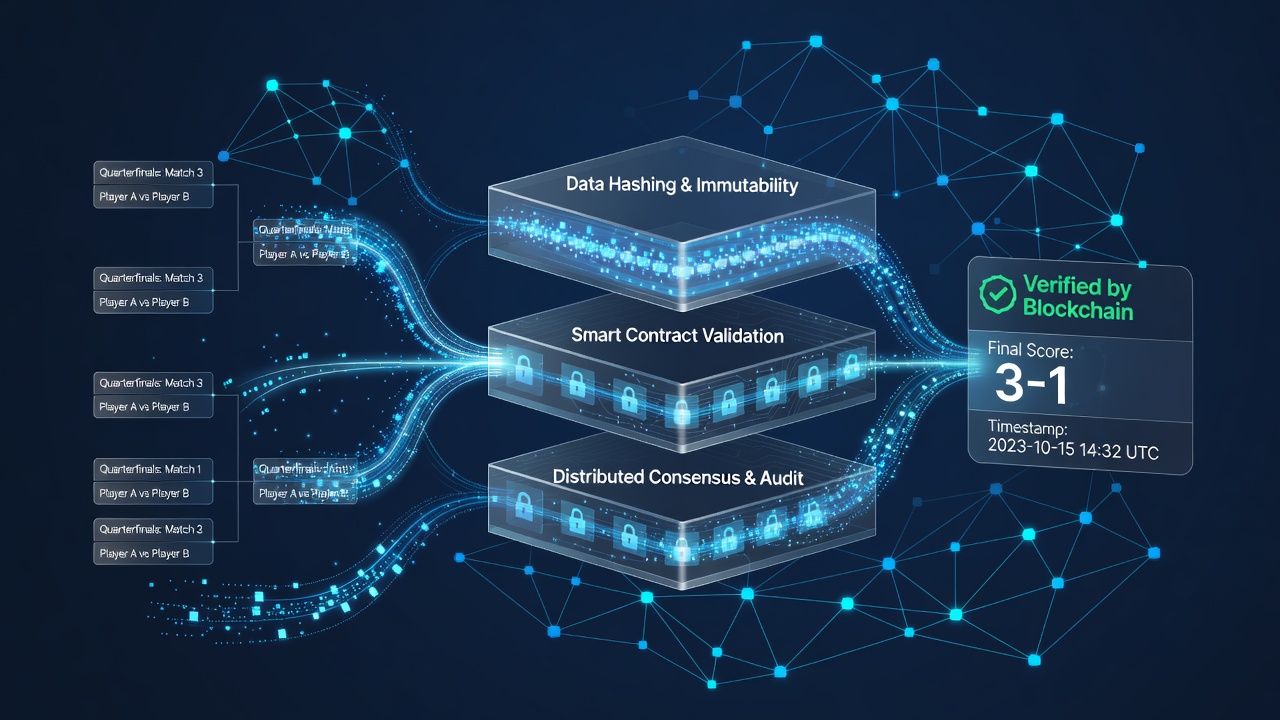
Take one operator who migrated its sit-and-go events to a verification layer in early 2025; within six months the platform reported that dispute resolution times fell from an average of 14 days to under four hours. The shift occurred because every result carried a cryptographic signature that could be checked instantly by any node on the network. Those who've studied similar transitions across multiple regions observe that transparency gains compound when multiple operators adopt compatible verification standards, creating an interconnected ecosystem where results remain portable and verifiable across platforms.
Regulatory and Technical Developments in Mid-2026
June 2026 brought new guidelines from the Canadian Digital Technology Supercluster that encourage blockchain-based record keeping for online competitions operating within provincial jurisdictions. These guidelines emphasize data portability and require operators to maintain at least three independent verification nodes, which further distributes trust away from single entities. Technical upgrades rolled out during the same period introduced faster finality protocols that cut block confirmation times to under eight seconds on several major networks, allowing real-time result posting during ongoing tournaments. Industry reports from the Blockchain Gaming Alliance document that over 120 new decentralized tournaments launched with verification layers active during the month of June alone.
Security audits performed by independent firms continue to identify edge cases where oracle manipulation could theoretically affect outcomes, yet mitigation strategies such as multi-oracle voting and reputation-weighted consensus have reduced the practical risk. Participants who review these audit summaries often discover that verification layers now include fallback mechanisms that pause prize distribution until anomalies receive manual review from a rotating panel of node operators.
Conclusion
Blockchain verification layers continue to reshape how results are recorded and confirmed in decentralized tournament environments by replacing discretionary oversight with code-driven consensus. The combination of smart contracts, cryptographic proofs, and distributed oracles produces records that remain accessible and tamper-resistant long after events conclude. As adoption expands through 2026 and beyond, the infrastructure supporting these ecosystems demonstrates measurable improvements in both operational efficiency and participant confidence across multiple geographic markets.