How AI-Assisted Coaching Platforms Are Reshaping Decision Patterns Among Recreational Players in Mid-Stakes Online Cash Games
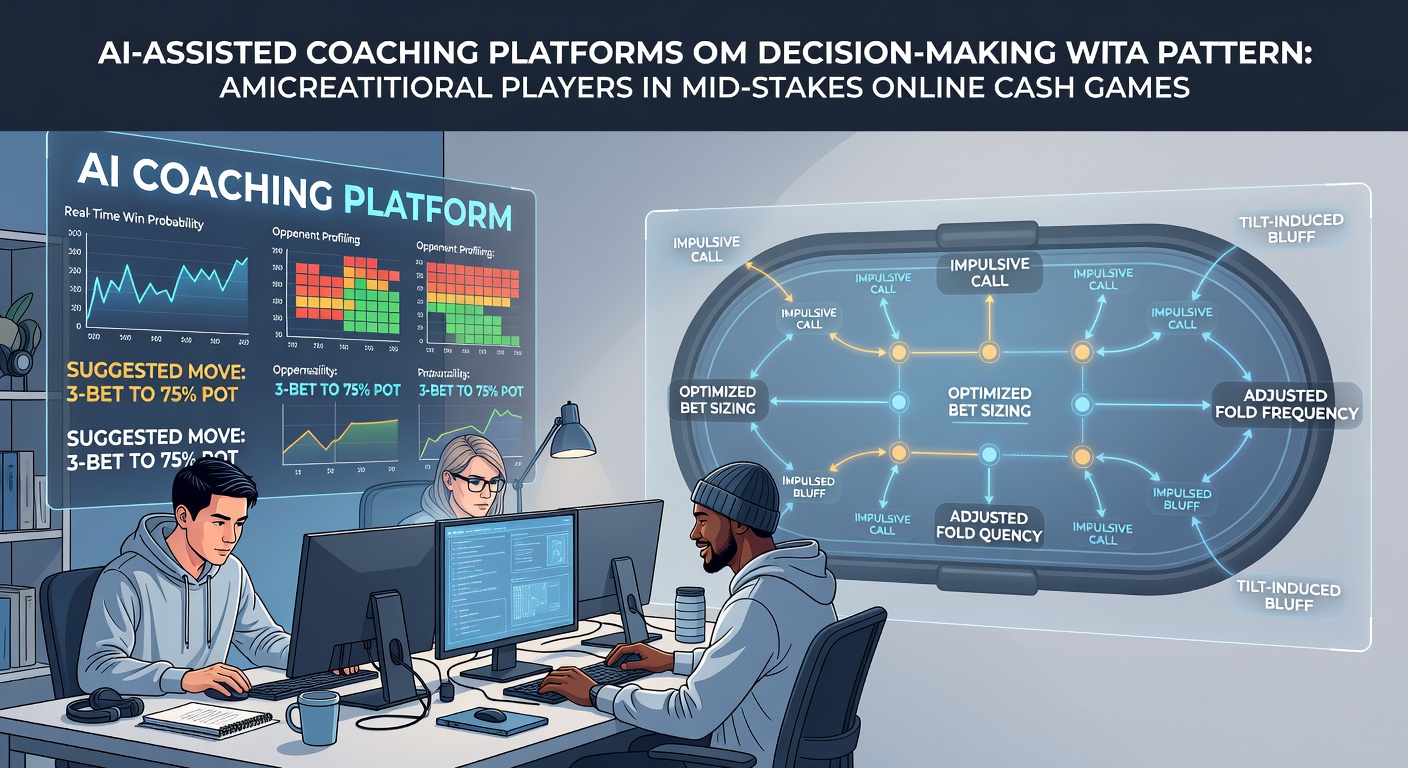
AI-assisted coaching platforms have expanded rapidly in online poker environments since 2024, and recreational participants at mid-stakes cash tables now encounter structured feedback loops that were once reserved for professionals. These tools analyze hand histories in real time or shortly after sessions, then deliver specific recommendations on bet sizing, range construction, and positional adjustments. Data from multiple platforms indicate that users who review at least ten hands per week show measurable shifts in their preflop raise frequencies and continuation-bet rates within three months.
Platform Features Driving Pattern Changes
Most mid-stakes recreational players access these systems through subscription services that integrate with major poker sites, and the software flags deviations from equilibrium strategies derived from large-scale game-tree analysis. One common output highlights when a player over-folds to three-bets from the big blind, while another flags overly wide defend ranges in late position. Because the feedback arrives with visual range charts and equity calculations, users absorb adjustments faster than they did through manual review alone.
June 2026 brought additional integration options when several platforms added API connections to tracking software, allowing automatic upload of every cash-game session without manual file handling. This seamless flow means a player finishing a four-hour $1/$2 session can receive a concise report before logging off, and repeated exposure to the same leak categories accelerates behavioral modification.
Observable Shifts in Preflop and Postflop Actions
Preflop statistics collected across mid-stakes pools reveal that recreational users of AI coaching increase their button raise frequency by an average of 4.2 percentage points after consistent platform use, while simultaneously tightening early-position opening ranges. Postflop, continuation-bet frequency on dry boards declines slightly because the tools emphasize checking back with medium-strength hands that previously faced automatic aggression. These adjustments appear most pronounced among players who previously relied on intuition rather than structured study.
What's interesting is how the same platforms affect multiway pot decisions. Users receive reminders to reduce overbet sizing when three or more opponents remain, and aggregated data shows a corresponding drop in large river bets that previously produced negative expected value. The pattern emerges because the coaching software highlights historical outcomes across thousands of similar board textures rather than isolated memorable hands.
Evidence from Industry and Academic Sources
Figures released by the Canadian Gaming Research Centre demonstrate that adoption rates among recreational cash-game participants rose 37 percent between January 2025 and May 2026. The same report notes that platforms emphasizing spaced-repetition quizzes produce higher retention of strategic adjustments compared with passive video summaries. Meanwhile, researchers at the University of Alberta published findings showing that players exposed to AI-generated range advice reduce their exploitability index by measurable margins within eight weeks of regular interaction.

Those who've studied adoption curves observe that the largest behavioral changes occur in the first six weeks, after which improvement plateaus unless the user continues to engage with new hand samples. Mid-stakes environments amplify this effect because opponents also adjust, creating an evolving equilibrium that rewards ongoing calibration rather than one-time fixes.
Geographic and Demographic Patterns
European recreational players show higher uptake of mobile coaching apps, whereas North American participants tend to favor desktop integrations that sync with established tracking packages. Age demographics matter as well. Players between twenty-five and thirty-four years old constitute the majority of new subscribers, and this group demonstrates faster incorporation of suggested bet-size adjustments than older cohorts. The difference correlates with familiarity with mobile interfaces rather than poker experience itself.
Yet adoption remains uneven across stakes. At $0.50/$1 and $1/$2, usage rates exceed those recorded at $2/$5 because the lower buy-in allows more frequent sessions and therefore more rapid accumulation of reviewed hands. Observers note that recreational participants at these levels often combine AI feedback with occasional coaching calls, creating hybrid learning paths that accelerate pattern shifts.
Limitations and Ongoing Developments
AI coaching does not eliminate all leaks, and platforms continue to refine their models when recreational play deviates from solver assumptions in live or soft online games. Some users report temporary over-correction, such as folding too many river calls after repeated alerts about thin value bets. These over-adjustments typically normalize after additional review cycles that incorporate actual opponent tendencies rather than pure equilibrium lines.
June 2026 updates introduced customizable difficulty settings so newer users can receive simplified guidance before advancing to full game-tree outputs. Early metrics suggest this tiered approach reduces frustration and improves long-term retention, although comprehensive longitudinal studies remain in progress.
Conclusion
AI-assisted coaching platforms continue to influence decision patterns among recreational mid-stakes cash-game participants through targeted, data-driven feedback that was previously unavailable at scale. Preflop range tightening, adjusted continuation-bet frequencies, and improved multiway discipline appear consistently in usage statistics, while demographic and geographic variations shape adoption speed. As integration deepens and platforms refine their delivery methods, the measurable effects on recreational decision-making are expected to persist and evolve alongside broader changes in online poker environments.