Digital Background Music Integration in Poker Apps Shapes Concentration Patterns Among Multi-Table Tournament Participants
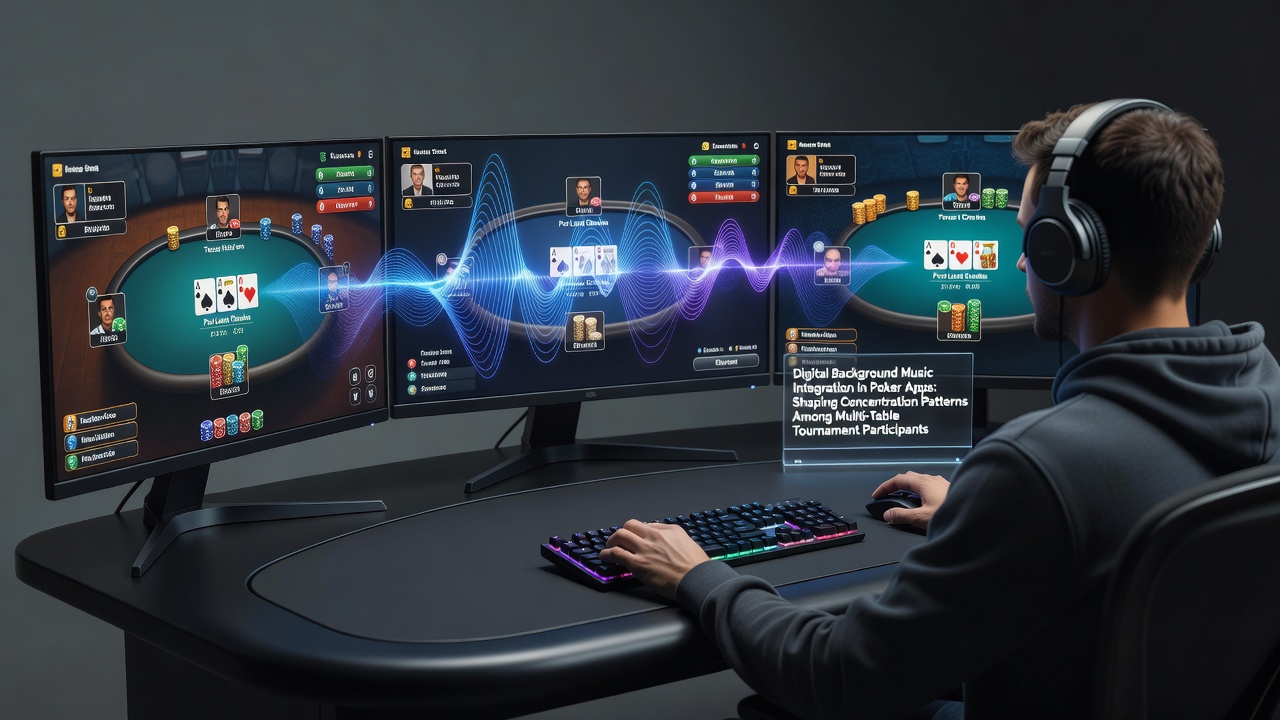
Multi-table tournament participants often manage several screens at once, and digital background music features in poker apps have become standard tools for modulating attention across those windows. App developers embed audio layers that users toggle on or off, select from curated playlists, or sync with external services, creating continuous soundscapes that run beneath betting decisions and card reveals. Data from platform usage logs in early 2026 showed increased activation of these features during peak tournament hours, particularly among players handling four or more tables simultaneously.
Technical Implementation in Leading Platforms
Poker applications integrate background music through low-latency audio engines that separate game sound effects from optional tracks, allowing independent volume controls for each layer. Users access libraries ranging from ambient electronic beats to instrumental jazz selections, and some platforms now permit custom uploads that sync with session timers. This separation prevents music from interrupting critical audio cues such as bet announcements or timer warnings, while still supplying a steady auditory backdrop that fills gaps between hands. Engineers at major providers adjusted buffering protocols in 2025 to reduce any overlap with real-time game notifications, a change that coincided with higher retention rates during extended MTT sessions.
Observed Effects on Attention Allocation
Studies conducted by cognitive research groups at institutions in Canada and Australia have tracked how steady musical input influences multitasking performance in environments that resemble tournament interfaces. Participants who listened to consistent, mid-tempo instrumental tracks maintained steadier response times when required to monitor multiple data streams, whereas silence or variable vocal content produced more frequent lapses in one of the monitored channels. Tournament analytics collected through app telemetry reflect similar patterns: players who kept music active across sessions spanning three hours or longer recorded fewer misclicks on secondary tables compared with those who switched audio off midway through events.
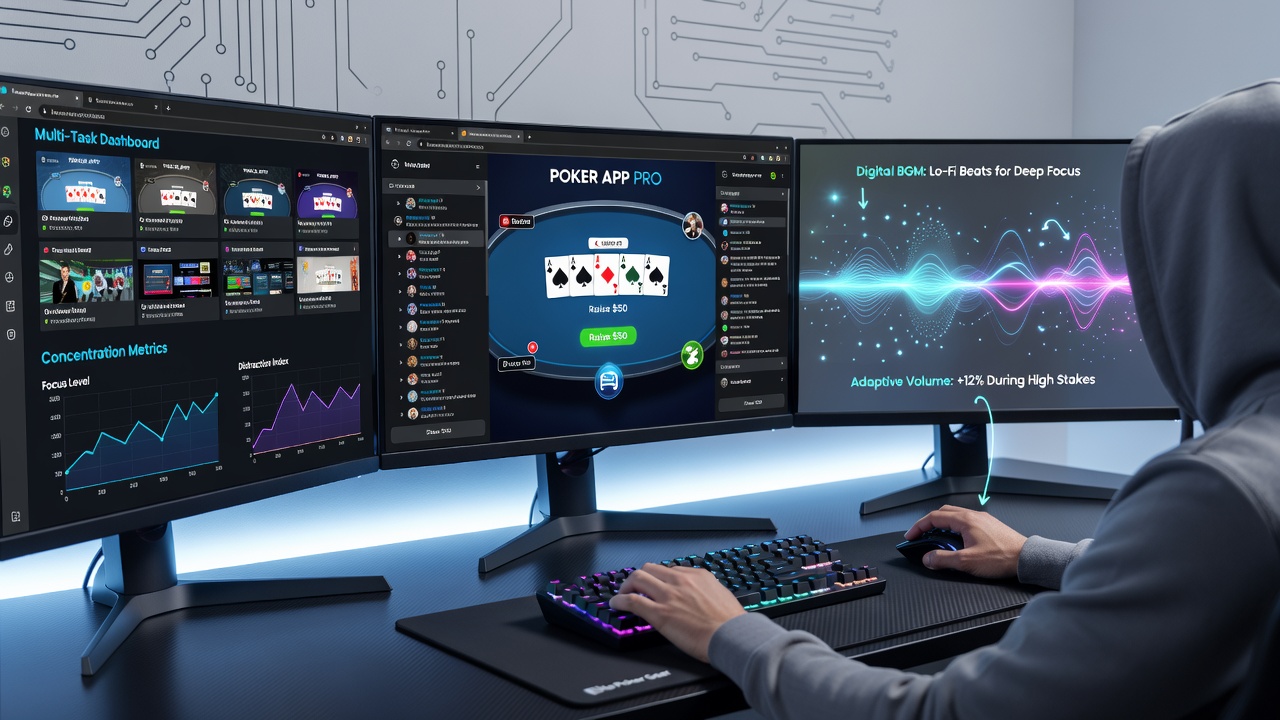
Concentration patterns shift further when music tempo aligns with typical hand frequency. Faster tracks correlate with quicker fold decisions on marginal holdings, while slower selections appear alongside extended tank time on complex river spots. These correlations emerge consistently in aggregated session data rather than from any single player’s choices, suggesting the audio environment contributes to pacing adjustments that participants adopt unconsciously during long events.
Patterns Across Different Tournament Structures
Formats that feature shorter blind levels show higher music engagement rates than slower structures, because the compressed decision windows leave less room for mental drift between hands. In contrast, deep-stack MTTs with extended levels see more selective use of music, often activated only after the fourth hour when fatigue indicators rise in telemetry reports. July 2026 updates to several major apps introduced adaptive playlists that change based on remaining stack depth and table count, responding to usage patterns observed in prior festival periods. Early feedback from those rollouts indicates participants adjust volume levels more frequently during late stages, lowering intensity as pressure mounts on final tables.
Regional differences also appear in how players configure these features. North American accounts tend toward electronic and ambient genres, while European and Asian player bases show stronger preference for classical or lo-fi selections according to anonymized preference data shared by app operators. Such variations track with broader listening habits documented in public surveys rather than any poker-specific mandate.
Integration With Other Cognitive Tools
Background music functions alongside heads-up display overlays and session timers without creating direct conflicts, yet users report managing all three inputs through deliberate volume hierarchies. Regulatory frameworks in Nevada and several Australian states require clear separation between game-critical audio and optional entertainment layers, prompting developers to maintain distinct channels that cannot be muted accidentally. Industry reports from the Nevada Gaming Control Board confirm compliance checks now include audio layering verification during app certification processes.
Research teams at European universities have begun correlating music feature usage with session duration metrics, noting that players who maintain moderate volume levels across the majority of a tournament reach later stages at rates comparable to those using silence, provided the selected tracks contain minimal lyrical content. These findings rest on large-scale anonymized datasets rather than controlled laboratory conditions, yet they align with earlier laboratory work on auditory masking and sustained attention.
Conclusion
Digital background music has settled into poker applications as a configurable environmental factor that participants adjust according to personal preference and tournament phase. Platform data, regulatory compliance records, and independent cognitive studies together document measurable shifts in response timing and error rates when music remains active, particularly during extended multi-table sessions. As developers refine adaptive systems and more regions codify audio separation standards, the relationship between these sound layers and concentration patterns will continue to evolve through ongoing usage evidence and technical iteration.